
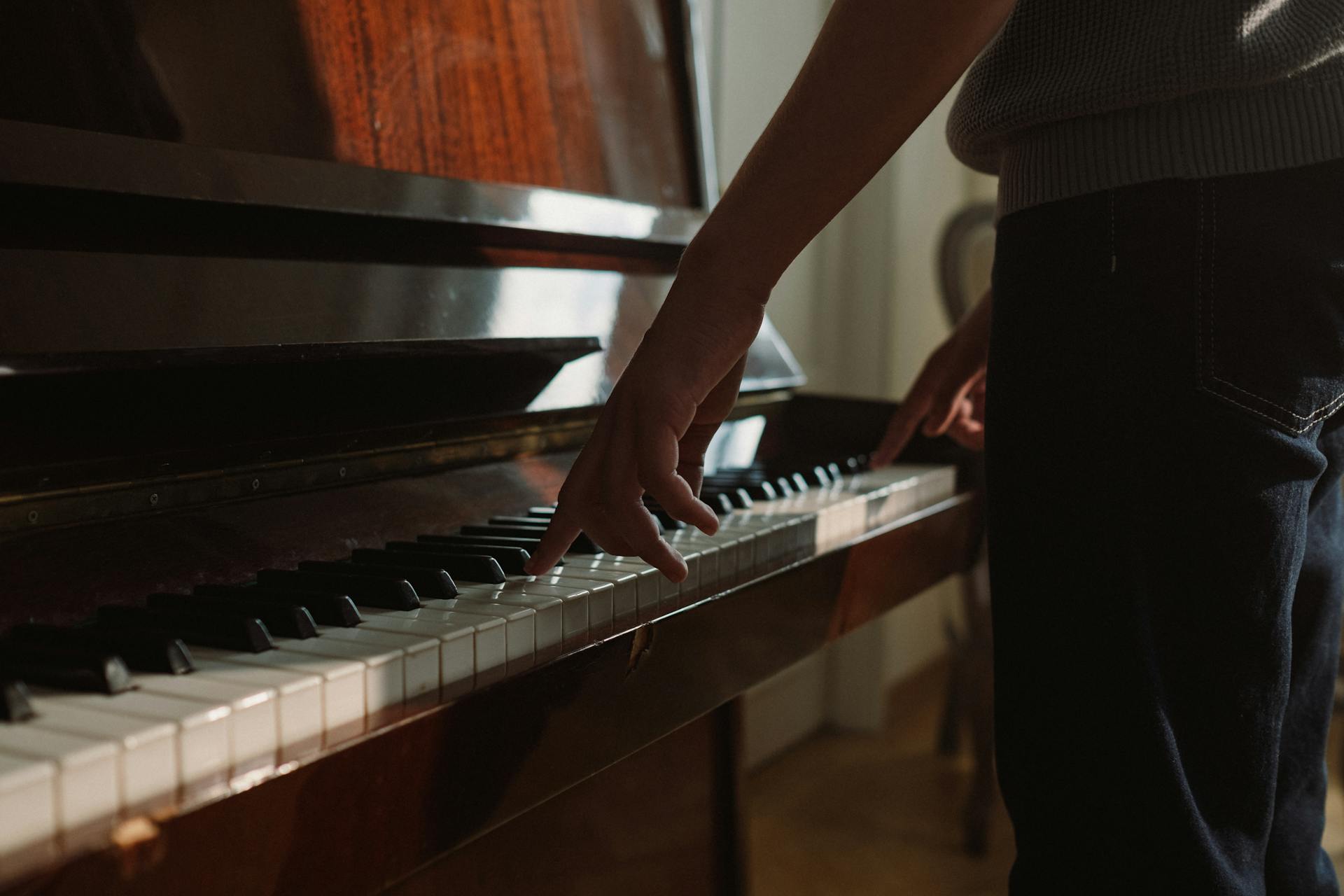
Moving a piano sounds simple until you actually try it. These instruments might look sturdy, but they’re surprisingly sensitive. Their size, shape, and weight make them tricky to pick up and even harder to carry through doorways or down stairs. Planning for piano moving in Chicago takes more than just muscle.
In spring, once the weather starts to warm up, people in places like Northbrook and Deerfield begin to reorganize their homes. Sometimes that means giving a piano a new spot. Whether you're clearing space for guests or setting up a better place to play, moving it safely takes thought.
Why Pianos Are Tough to Move
Pianos are one of the hardest things to move in a house, even harder than couches or big bookshelves.
• Their size makes them hard to grip. Whether it’s a small upright or a baby grand, pianos aren’t built with easy handles.
• The shape makes them awkward through turns or tight halls. Lots of pianos are top-heavy, and their legs or pedals can catch on things.
• Inside, they’re full of parts that damage easily. Just one bump can throw it out of tune or cause tiny pieces to shift out of place.
• Older houses around the North Shore sometimes have narrow doorways, sharp corners, or uneven floorboards. These spaces can make it harder to move something that’s already tricky.
• At Happ Movers, our team uses professional equipment like piano dollies, straps, and pads to handle pianos of all sizes and to protect both instrument and floors.
With all of that, it's easy to see why trying to push or carry a piano without help can go wrong fast.
What Movers Look At Before Lifting a Piano
Before touching anything, we take time to figure out what we’re moving and where it’s going. That helps the move feel smoother from the start.
• First, we look at the type of piano. Upright pianos move very differently than grands. Some fit through doors easily, while others may need extra equipment or protective padding.
• Then we walk through the pathway. We check stairs, check door frames, and see if there are any tight spots like narrow hallways or sharp turns.
• If there’s an elevator or ramp, we make sure it can hold the weight and will be available during the move.
• We plan the path from one room to the next or even floor to floor so we’re not stopped halfway through.
• Our in-home moving services include moving pianos, heavy safes, and other oversized items, as described on our residential moving services page.
Every spot in the house can affect how the piano gets moved. Taking a few minutes to map it out saves time later.
Getting Through a Chicago Spring Move
Late May around Chicago doesn’t always give us perfect moving weather. Some days feel like summer, and others are cold or wet. It all depends.
• Springtime can come with rain, muddy sidewalks, or gusty winds. When we move pianos, we check the forecast and get ready to keep the instrument dry and safe.
• That might mean using floor runners, wrapping the whole piano, or moving during drier parts of the day. Wet feet or slippery porches are things we watch out for.
• One benefit of May is that it’s not too hot yet. The middle of spring is a great time to tackle tricky indoor moves before summer kicks off and everyone’s running a tighter schedule.
In parts of the city and suburbs like Deerfield or Northbrook, where streets are lined with older trees and narrow curbs, watching our wheels and walking paths matters too.
What Happens After the Piano Is In Place
Getting the piano to a new spot is only part of the job. Once it's inside and placed, there are a few extra things to check.
• Pianos may not sit level on every surface. After a move, the pedals or one side might wobble just a little. That can throw off how it plays or sounds.
• Some rooms aren't good long-term homes for a piano. Near windows or heater vents, the weather shifts can wear on the wood or strings a little faster.
• Wood floors and rugs can be marked if the piano’s weight sits unevenly. Using pads underneath or furniture cups can help protect both the floor and the piano.
• We always check placement for stability and protection as part of our final walk-through after every piano move.
Getting the room settled around the piano gives it a better fit. Whether it’s in a living room, music room, or even a shared space, placement matters.
Keep Your Piano Safe and Your Back Happy
Lifting a piano isn’t just tiring, it can be risky without the right tools and plan. One wrong move can hurt the instrument, or someone’s back.
• We never just grab and go. We move with straps, dollies, covers, and backup hands when needed.
• Even if it's only going from one side of the house to another, the path still needs to be checked and prepped.
• In tight spaces like older Chicago homes, staircases, sharp angles, or narrow entries add small challenges that turn into big problems without care.
Planning before lifting means fewer troubles along the way. We’ve seen how a little extra thought up front makes the whole move smoother. And when spring gets busy, small wins like that help keep everything on track.
Moving a piano in Deerfield, Northbrook, or anywhere on the North Shore takes more than muscle, tight corners, unpredictable spring weather, and delicate components can make the process tricky. When tackling something as complex as piano moving in Chicago, having professional support helps keep your floors, hands, and valuable instrument safe. At Happ Movers, our team knows exactly what to look for before the first lift. Call us today and let’s make your next move simpler.